Denim Diaries

Everything denim — jeans, jackets & beyond

What Actually Happens During Raw Denim Break-In (and Why It Takes as Long as It Does)

2026-07-22

Quick Answer: Raw denim break-in is two real processes happening at once — the fibers physically relax and stretch at your own specific stress points (behind the knee, at the hip, across the seat), while the surface indigo dye wears away at those same high-contact points to form the whiskers and honeycombs you see on broken-in jeans. It takes weeks, not days, because both processes need repeated, consistent wear to concentrate at the same points.

Raw denim break-in gets described vaguely as the fabric “softening up” or “molding to your body” over time, when the actual process involves a specific and genuinely understood combination of fiber relaxation and surface dye wear that explains both why fit changes and why fading patterns form the way they do.

What Actually Happens During Raw Denim Break-In (and Why It Takes as Long as It Does)

At a glance

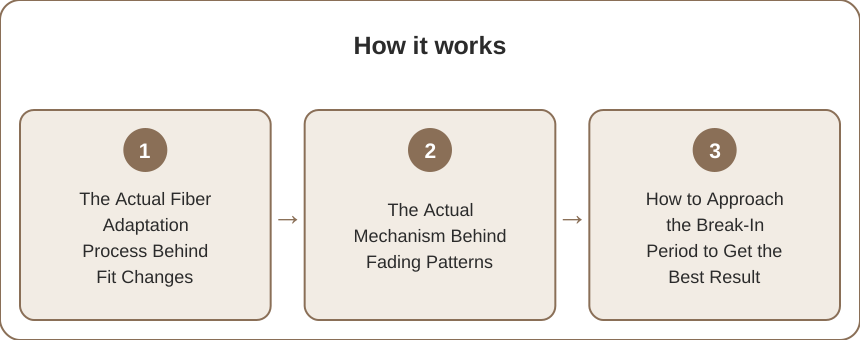
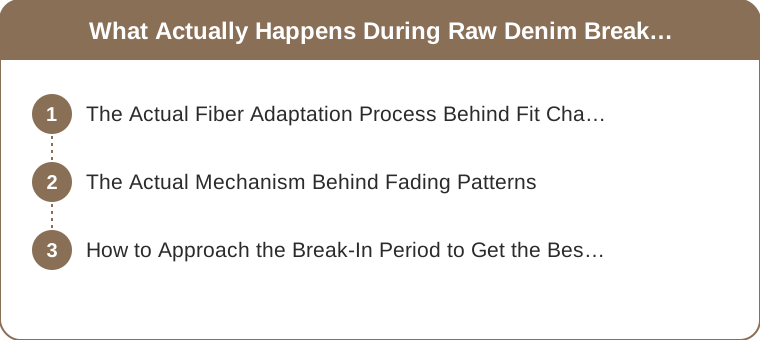
What’s Actually Happening to the Fabric When Denim “Breaks In”?

Raw denim fibers genuinely relax and stretch slightly under the specific, repeated stress created by your own body’s own movement patterns — behind the knee, at the hip, across the seat. That’s why the fabric adapts its shape specifically to the one person wearing it, rather than simply becoming uniformly looser all over the way an old t-shirt does. Two people wearing the same jeans from the same batch will end up with two genuinely different fits, because the stress points on their bodies aren’t identical.

What Actually Happens During Raw Denim Break-In (and Why It Takes as Long as It Does)

Why Do Raw Denim Fading Patterns Form Exactly Where They Do?

Raw denim’s surface indigo dye sits mostly on the outer layer of the yarn rather than penetrating all the way through the thread. Repeated friction at your body’s high-contact points wears that surface dye away specifically at those spots — which is exactly why fading forms in the recognizable whisker patterns at the hip crease and the honeycomb patterns behind the knee, tied to your own specific movement, rather than fading evenly across the whole garment. The dye simply can’t wear away from areas that never rub against anything.

How Should I Actually Wear Raw Denim During the Break-In Period?

Wear the jeans as consistently and regularly as possible during break-in, since consistent wear concentrates both the fiber-relaxation and the surface-dye-wear processes at the same real stress points, over and over. That produces more distinct, personalized fading and a more precisely molded fit than inconsistent, occasional wear would — occasional wear spreads the same total amount of friction more thinly across more sessions, which produces a blurrier, less defined result at the end.

Myth vs. Fact: Raw Denim Break-In

  • Myth: Raw denim break-in is just the fabric “softening up” over time. Fact: It’s two distinct mechanical processes — fiber relaxation at stress points and surface dye wear at friction points — not a general softening.
  • Myth: Washing raw denim early speeds up a good break-in. Fact: Early washing resets the surface dye before your specific wear patterns have had a chance to form, which is why most break-in guides recommend delaying the first wash.
  • Myth: Any two pairs of the same jeans will fade identically. Fact: Fading is tied to your individual body and movement, so two people in the same jeans from the same batch will develop noticeably different fade patterns.
  • Myth: Wearing the jeans occasionally over a long period gives the same result as wearing them consistently over a shorter one. Fact: Consistency concentrates wear at the same points repeatedly, which is what produces sharp, defined fading — spreading the same wear out thinly produces a much less distinct result.

Raw Denim Break-In FAQ

How long does raw denim break-in actually take?

Most noticeable fading and fit adaptation takes several weeks of fairly regular wear, though the exact timeline depends on how often you wear the jeans and how physically active you are in them. Daily wear speeds up both the fiber relaxation and the dye wear considerably compared to occasional wear.

Should I avoid washing raw denim during the break-in period?

Delaying the first wash — often for weeks or months — is standard advice specifically because washing can disrupt the surface dye wear pattern before it’s fully formed. Spot-cleaning and airing out the jeans between wears is the usual workaround.

Will my raw denim fit change permanently, or does it reset if I stop wearing them?

The fiber relaxation that shapes the fit is fairly durable once it’s set in through consistent wear, though extended breaks or washing can relax some of that molding. Consistent wear is what maintains the fit as much as what creates it initially.

Bottom Line

Raw denim break-in involves fibers genuinely relaxing and stretching at your own specific stress points, while the surface indigo dye wears away at those same high-contact points to form the recognizable fading patterns — both processes shaped specifically by your own body and movement rather than the fabric simply softening uniformly over time. Wearing the jeans as consistently as possible during break-in concentrates both processes at the same points repeatedly, producing more distinct and personalized results than occasional wear would.

TL;DR:

  • Break-in is two real processes: fiber relaxation at stress points and surface dye wear at friction points
  • Fading forms specifically where your body creates friction — hip crease, behind the knee — not evenly
  • Consistent, regular wear concentrates both processes and produces sharper, more personalized results
  • Delaying the first wash preserves the fading pattern as it forms
  • No two wearers will fade the same pair of jeans identically

Keep Reading

This article is for general styling and informational purposes only. Trends, sizing, availability and pricing may vary by brand and season.

what actually happens raw denim break inwhy raw denim fading takes so longhow to approach raw denim break in period

← All articles